
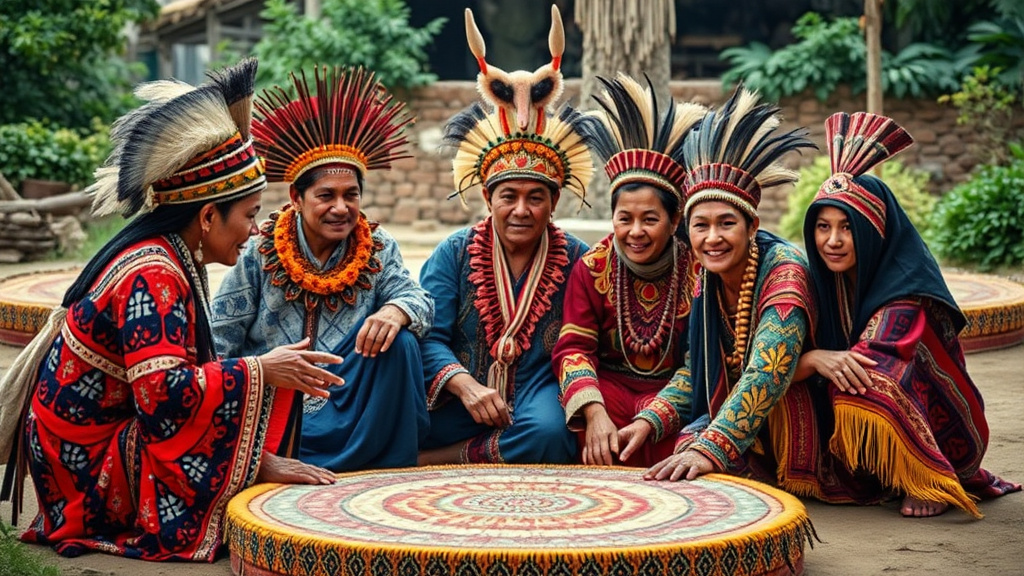
Indigenous art forms, once confined to regional audiences and disregarded by mainstream audiences, are experiencing an unprecedented international resurgence through digital platforms. Online networks, internet-based showcases, and streaming services have dismantled geographical barriers, enabling artists from remote regions to showcase their ancestral techniques, musical works, and visual arts to global audiences. This article explores how digital innovation is reshaping the acknowledgment and safeguarding of indigenous artistic expression, examining the transformative impact of digital platforms on cultural visibility, economic opportunities, and the future of ancestral creative heritage.
Digital Evolution of Conventional Art Forms
The digitization of indigenous art forms represents a significant change in how conventional artistic practices connects with global audiences. Digital platforms have enabled indigenous artists to circumvent conventional gatekeepers, such as museums and distribution networks, establishing direct links with international markets. This opening up of access pathways has enabled artisans to maintain creative control while broadening their audience exponentially. Photography, videography, and digital documentation have transformed how traditional arts are displayed, providing access to audiences worldwide who might never otherwise encounter these vibrant artistic traditions.
Technology has further enabled the preservation and documentation of endangered art forms facing extinction due to cultural assimilation and generational disconnection. Virtual collections, web-based instruction, and digital displays function as storehouses of information, guaranteeing that time-honored methods and cultural stories are preserved for generations to come. Indigenous communities now employ these platforms to assert their own accounts about their cultural legacy, challenging past distortions and establishing true perspectives in the international cultural discourse. This technological advancement has reinforced community heritage while developing lasting frameworks for creative evolution.
Social Platforms as a Worldwide Market
Social media platforms have become dynamic marketplaces where indigenous artists earn income from their work and create strong international fan bases. Instagram, TikTok, and Facebook empower creators to showcase their creative process, tell cultural stories, and forge meaningful connections with collectors worldwide. These platforms provide real-time feedback mechanisms, allowing artists to recognize what resonates while preserving their creative vision. The visually-driven structure of social media particularly benefits indigenous visual arts, textiles, and crafts, which shine through imagery and video content, opening fresh revenue streams.
The algorithmic presence of social platforms has converted unknown artisans into worldwide stars in short order, generating inspiring narratives that inspire entire communities. Indigenous artists have utilized trending hashtags, collaborations, and influencer collaborations to boost reach while staying connected to ancestral methods. Direct-to-consumer sales through social commerce features have cut out gatekeepers, allowing artists to capture full profit margins. This economic autonomy extends beyond individual creators, regularly helping broader groups through cooperative ventures and collective brand development initiatives.
- Instagram displays visual arts and textile designs to worldwide viewers daily
- TikTok allows brief video showcases of indigenous art methods
- Facebook groups support connection among members among native artist communities
- YouTube provides platforms for long-form cultural storytelling and learning materials
- Pinterest boosts discovery and sales of indigenous crafts and decorative arts
Cultural Preservation Through Technology
Digital environments have become essential resources for safeguarding indigenous art forms that face disappearance due to modern pressures and cultural integration. By building enduring digital documentation of ancestral methods, cultural performances, and creative expertise, communities can maintain their cultural traditions for future generations. Web-based collections and virtual institutions ensure that inherited traditions remain preserved and accessible, even as youth relocate to metropolitan regions or follow alternative career paths.
Digital innovation allows indigenous artists to preserve cultural continuity while adjusting with contemporary contexts. Digital tools enable artisans to document their creative processes, distribute instructional content, and build communities of practitioners across geographical boundaries. This technological integration reinforces cultural identity and creates new pathways for knowledge transmission, ensuring that traditional art forms develop rather than disappear in an increasingly globalized world.
Documentation and Archive Initiatives
Digital specialized systems focused on indigenous art preservation have emerged worldwide, delivering safe archives for cultural artifacts. These projects utilize sophisticated systems such as 3D scanning, precision photography, and video recording to document fine details of traditional artworks. Organizations work alongside indigenous communities to maintain culturally appropriate permission systems and appropriate representation of sensitive or sacred artistic traditions and customs.
Collaborative archiving efforts unite indigenous artists, scholars, and technologists in comprehensive documentation work. These undertakings prioritize community ownership and control over cultural materials, creating protocols that uphold intellectual property rights and cultural protocols. By merging traditional knowledge with digital platforms, these archives develop long-term approaches for conservation that empower indigenous communities as stewards of their own cultural narratives.
- Three-dimensional scanning methods captures precise artwork measurements and complex surface details.
- Visual recording preserves conventional methods and creative practices for future study.
- Community-controlled databases guarantee proper accessibility and cultural protocol compliance.
- Multilingual digital platforms provide native art information available worldwide.
- Cloud storage systems provide secure, long-term preservation against physical deterioration.
Economic Opportunities and Community Impact
Digital platforms have fundamentally transformed the economic landscape for indigenous artists, creating unprecedented revenue streams that directly benefit communities. By bypassing established gatekeepers and gatekeepers, artists can now retain higher profit margins from their sales, directing revenue into cultural preservation initiatives and community development projects. This expansion of access has allowed many indigenous practitioners to achieve financial sustainability through their artistic practices, disrupting cycles of economic marginalization that historically plagued these communities.
Beyond individual artist success, digital platforms have driven broader community development by promoting collaborative economic models. Collective online stores, cooperative galleries, and artist networks strengthen purchasing power while upholding cultural authenticity and values. Revenue generated through digital sales supports educational offerings, apprenticeships for younger generations, and infrastructure improvements in indigenous territories. This economic empowerment reinforces cultural identity and creates incentives for youth to pursue traditional art forms, ensuring cultural knowledge transfer and artistic continuity.
Artist Revenue Directly and Fair Trade Models
Digital sales channels have revolutionized how indigenous artists monetize their work, cutting out exploitative third parties who historically claimed the majority of profits. Direct sales to consumers through online stores, social channels, and niche marketplaces enable artists to set fair prices reflecting their expertise and cultural value. Open financial structures build consumer trust while allowing artists obtain equitable compensation. This transition to selling directly has empowered communities economically while maintaining the integrity and cultural significance of their artistic traditions.
Ethical trade digital platforms created for indigenous creators set responsible practices ensuring equitable compensation and appropriate depiction. These platforms focus on artist welfare, respect for culture, and sustainable practices over profit-driven goals. Authentication mechanisms verify genuine indigenous heritage while protecting traditional knowledge from appropriation. By linking ethical buyers with indigenous artists, ethical trade systems establish viable economic opportunities while fostering cultural identity and self-sufficiency within communities.
- Transparent pricing structures guarantee artists obtain competitive market rates compensation.
- Collaborative marketplaces enable collective bargaining and joint promotional tools effectively.
- Digital wallets and payment solutions offer secure, accessible financial transactions internationally.
- Distributed ledger technology guarantees authenticity verification and blocks fake native art.
- Revenue sharing models support collective funds and cultural preservation initiatives.
