
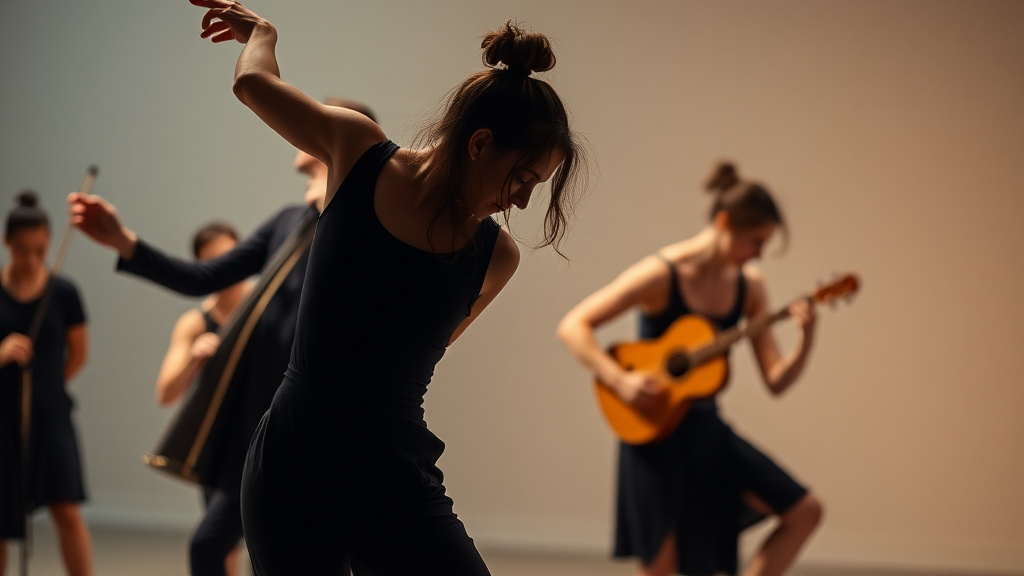
The distinctions between dance and music are breaking down as dancers and composers increasingly join forces to create groundbreaking performances that transcend traditional artistic silos. By combining dance and live composition, these collaborative partnerships are transforming how audiences experience the arts. This article investigates how innovative interdisciplinary projects blend choreography and music to produce compelling artistic works that challenge conventions, amplify expressive power, and push innovative frontiers. Discover the compositional approaches, notable partnerships, and transformative potential of this innovative fusion.
The Development of Music and Dance Integration
The bond between dance and music has been present for centuries, yet the nature of their working relationship has profoundly changed. Historically, choreographers created movement to support pre-composed musical scores, positioning music as the main artistic driver. However, contemporary practitioners are reimagining this hierarchy, viewing dance and music as collaborative equals in artistic production. This shift demonstrates broader changes in how artists think about cross-disciplinary practice, moving away from traditional hierarchies toward authentic mutual exchange.
Throughout the twentieth century, pioneering figures began experimenting with increasingly unified methods to combining these art forms. Composers like John Cage challenged traditional connections between sound and movement, while choreographers such as Merce Cunningham intentionally disconnected dance from music to explore their distinct potential. These experimental approaches laid crucial groundwork for modern collaborations, demonstrating that dance and music could function in productive tension rather than seamless harmony. Their innovations inspired future generations to challenge conventions about how these fields should relate.
The current collaborative landscape reflects years of creative exploration and cultural development. Contemporary dance artists and composers leverage digital tools, multimedia components, and interdisciplinary approaches to produce works that would have appeared impossible in previous periods. These contemporary partnerships emphasize shared artistic contribution from conception through execution, producing performances where no single discipline takes precedence. This evolution signifies a advancement of interdisciplinary practice, where each artistic medium play an equal role to influencing audience experience and artistic meaning.
Transcending Barriers By Way of Collaborative Innovation
When dance creators and composers combine their unique creative perspectives, they create a powerful synergy that transcends individual disciplines. This joint creative process dismantles traditional barriers, enabling each artist to impact and motivate the other in the moment. The result is a cohesive artistic experience where dance and music are inseparable, creating performances that sound natural and intimately linked rather than merely placed side by side.
Collaborative Creative Methods
The collaborative relationship between choreographers and musicians begins with open dialogue and mutual respect for their respective crafts. Rather than a single creator adjusting to the partner’s creations, true collaboration requires concurrent artistic growth where ideas flow bidirectionally. Choreographers may inspire musical pieces through physical language, while composers influence the bodily movement through novel rhythmic patterns and harmonic decisions.
This holistic approach demands adaptability and openness to abandon fixed ideas about how dance and music should connect. Team members often uncover novel directions when they prioritize the shared creative vision over solo artistic inclinations. The process becomes experimental, with both creators sharing equal input to idea formation, practical implementation, and creative polish throughout the entire creative journey.
- Establish open lines of communication among all collaborators
- Organize frequent practice sessions combining movement and musical exploration
- Develop collective artistic vision documents before production commences
- Dedicate time for exploring creative possibilities and taking artistic risks
- Capture collaborative discoveries for ongoing growth and future use
Successful cross-disciplinary partnerships demonstrate that openness and vulnerability enhance artistic outcomes substantially. When dancers and composers welcome ambiguity and trust their colleagues’ knowledge, they access innovative possibilities neither could achieve independently. This collaborative dedication in shared creative vision ultimately generates performances that speak truthfully with audiences, offering meaningful moments through harmoniously blended artistic expression.
Impact and Future of Cross-Disciplinary Performance
The partnership efforts between dance choreographers and musicians have already shown deep influence on current artistic performance. Audiences now experience stronger emotional connection as synchronized movement and live music create experiences engaging multiple senses that surpass traditional solo performances. These interdisciplinary collaborations have drawn varied audiences, expanded funding opportunities, and inspired emerging artists to investigate blended artistic methods. The accomplishments of these projects proves that breaking artistic boundaries produces innovative works that connect strongly with current spectators desiring fresh, immersive cultural experiences.
Looking ahead, the future outlook of interdisciplinary performance looks increasingly favorable as technological advancements enable new creative opportunities. Virtual reality, projection mapping, and interactive digital elements will allow choreographers and musical artists to explore uncharted creative ground. Universities and colleges are increasingly recognizing the significance of cross-disciplinary learning, establishing programs that cultivate collaboration between dancers and musicians. This institutional commitment will foster a fresh wave of artists capable of seamlessly integrating various creative disciplines, guaranteeing ongoing innovation and development within the performance arts landscape.
The lasting legacy of dance-music collaborations resides in their ability to challenge artistic conventions and transform audience expectations. As these partnerships remain in evolution, they create new standards for artistic quality and audience participation. The interdisciplinary movement demonstrates that art flourishes when boundaries break down and artists embrace collaborative possibilities. Going forward, these innovative performances will undoubtedly shape the artistic terrain, inspiring ongoing exploration and proving that the most powerful artistic expressions emerge when different creative talents unite toward shared artistic vision.
