
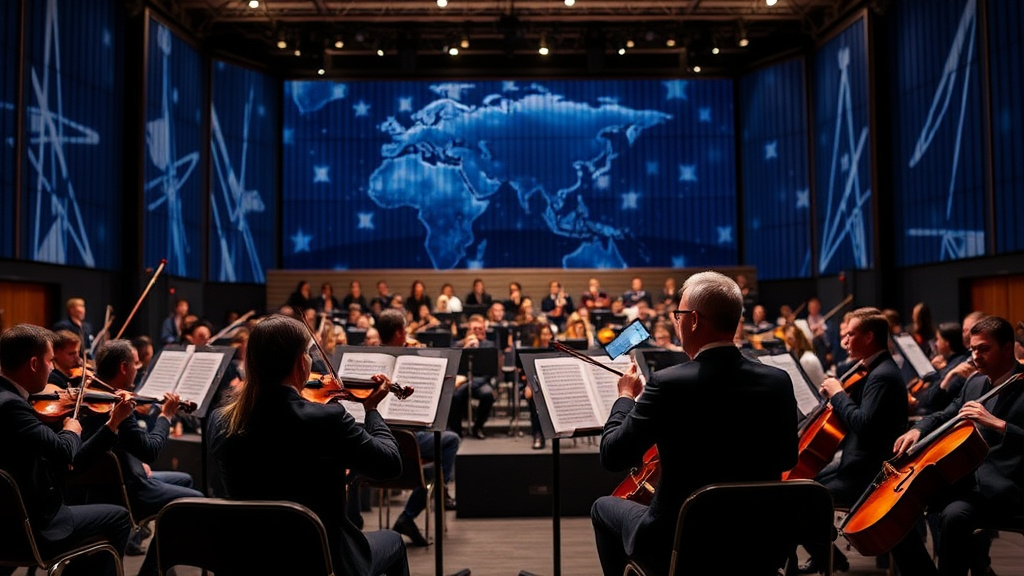
In an exciting convergence of classical heritage and modern advancement, a prestigious symphonic ensemble is revolutionizing how audiences experience live performances through advanced technological solutions. From immersive spatial audio systems to interactive digital platforms, this innovative project converts concert halls into dynamic venues that engage international listeners. Discover how these technological advances maintain the enduring elegance of orchestral compositions while broadening reach and engagement for millions of listeners worldwide, redefining the landscape of live symphonic concerts.
Digital Integration Reshapes Traditional Performance
The symphonic orchestra’s adoption of digital technology signals a transformative moment in performance venue history. Sophisticated sound technology now preserve the subtle tonal variations of live performances with unprecedented clarity, allowing audiences to experience every string vibration and drum resonance with exceptional quality. These audio advancements don’t overshadow the musicians’ artistry; instead, they enhance it, creating a deeper engagement between artists and audiences regardless of their seating position in the venue or globally.
Online multimedia platforms have democratized access to classical music in unprecedented ways. Audiences can now interact with concert programs through mobile applications, retrieving musician biographies, composition histories, and live concert annotations. VR experiences enable remote viewers to experience immersion in the concert hall atmosphere, while AR features overlay visual interpretations of the music. These advancements particularly benefit younger generations and international audiences, breaking down traditional barriers that once limited classical music appreciation to privileged demographics.
Backstage technological integration smoothly enables the orchestra’s operational excellence without compromising artistic integrity. Advanced lighting systems adjust fluidly to musical themes, while sophisticated acoustic management ensures optimal sound distribution throughout the venue. Live performance metrics help orchestras understand audience preferences and refine upcoming seasons. This harmonious blend of technology and tradition illustrates that innovation and classical artistry complement each other but complementary elements that together create more resonant, inclusive, and compelling concert experiences.
Cutting-Edge Audio and Visual Technology Transform Audience Engagement
The orchestra has invested in state-of-the-art spatial audio technology that creates an immersive three-dimensional soundscape throughout the concert hall. This advanced system captures the nuances of each instrument with unprecedented clarity, allowing audiences to experience the music with remarkable depth and precision. Integrated with synchronized visual projections that complement the orchestral performance, these technologies produce a multisensory experience that goes beyond traditional concert attendance, strengthening the emotional bond between musicians and audiences.
Live video broadcasting and augmented reality features enable worldwide viewers to participate in concert events from anywhere in the world. High-definition camera angles provide detailed views of musicians, while engaging online platforms allow distant audiences to personalize how they listen. These innovations democratize access to orchestral works, removing location limitations and exposing symphonic concerts to digitally-native listeners who might not otherwise attend traditional concerts, significantly expanding the ensemble’s audience and artistic influence.
The Future of Classical Music Via Technology
The incorporation of cutting-edge tools into traditional music presentations signals a transformative era for the industry. As orchestras progressively implement digital solutions, they unlock remarkable potential for creative exploration and public interaction. Virtual reality concerts, AI-enhanced compositions, and immediate spectator engagement platforms are revolutionizing how classical music reaches global listeners. These digital innovations not only preserve classical performance standards but also draw in new generations to orchestral performances. The future promises even more sophisticated tools that will improve sound quality, personalize listening experiences, and expand reach to world-class performances for listeners globally.
- Virtual reality facilitates immersive performance venue experiences globally
- Artificial intelligence assists composers in developing innovative arrangements
- Online broadcast platforms democratize access to classical performances
- Interactive digital tools improve audience engagement and participation
- Advanced audio technology preserves acoustic integrity in audio captures
Looking ahead, the classical music landscape will continue evolving through digital advancement and artistic partnership. Orchestras globally are committing resources to R&D initiatives to create next-generation concert experiences. Combined presentations combining orchestral performers with digital elements will become increasingly common, drawing broader crowds. Instructional efforts employing digital tools will motivate future generations of classical music lovers. By welcoming technological advancement while preserving traditional practices, orchestras secure their importance and strength in an technology-driven landscape, protecting classical music’s permanent impact for the future.
